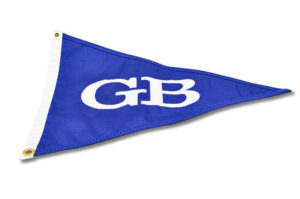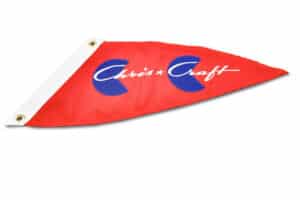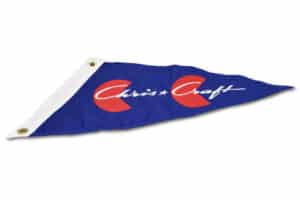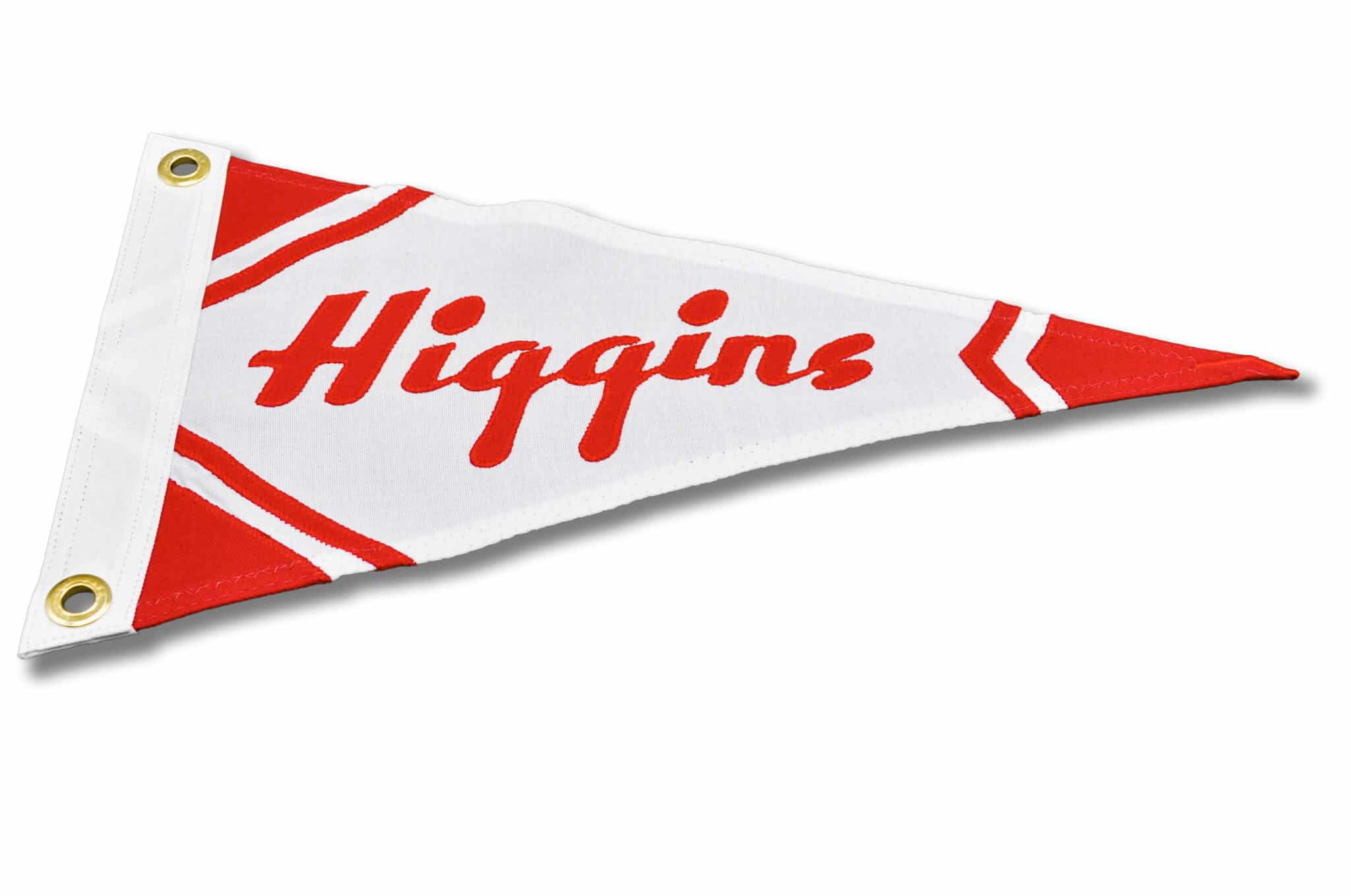
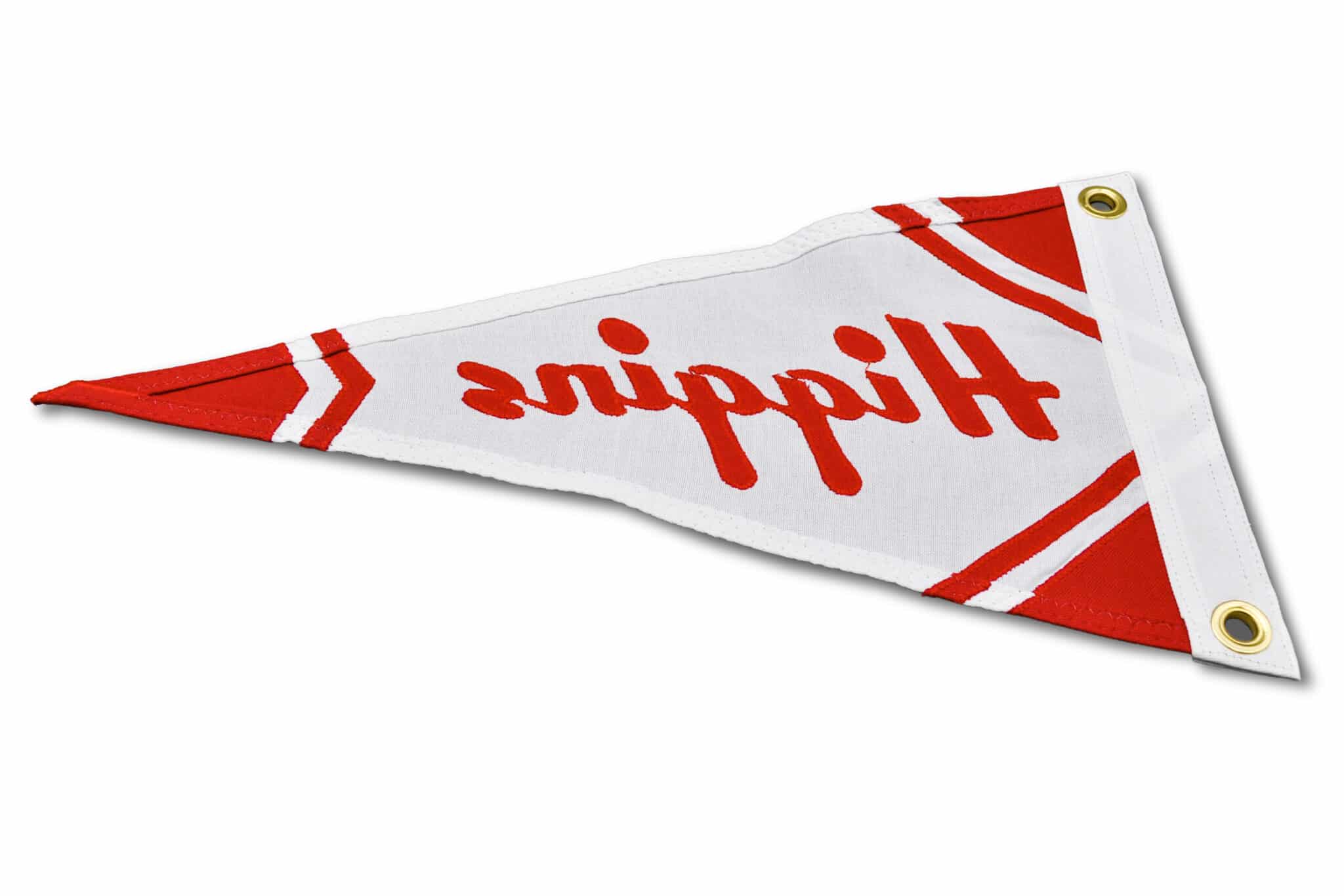
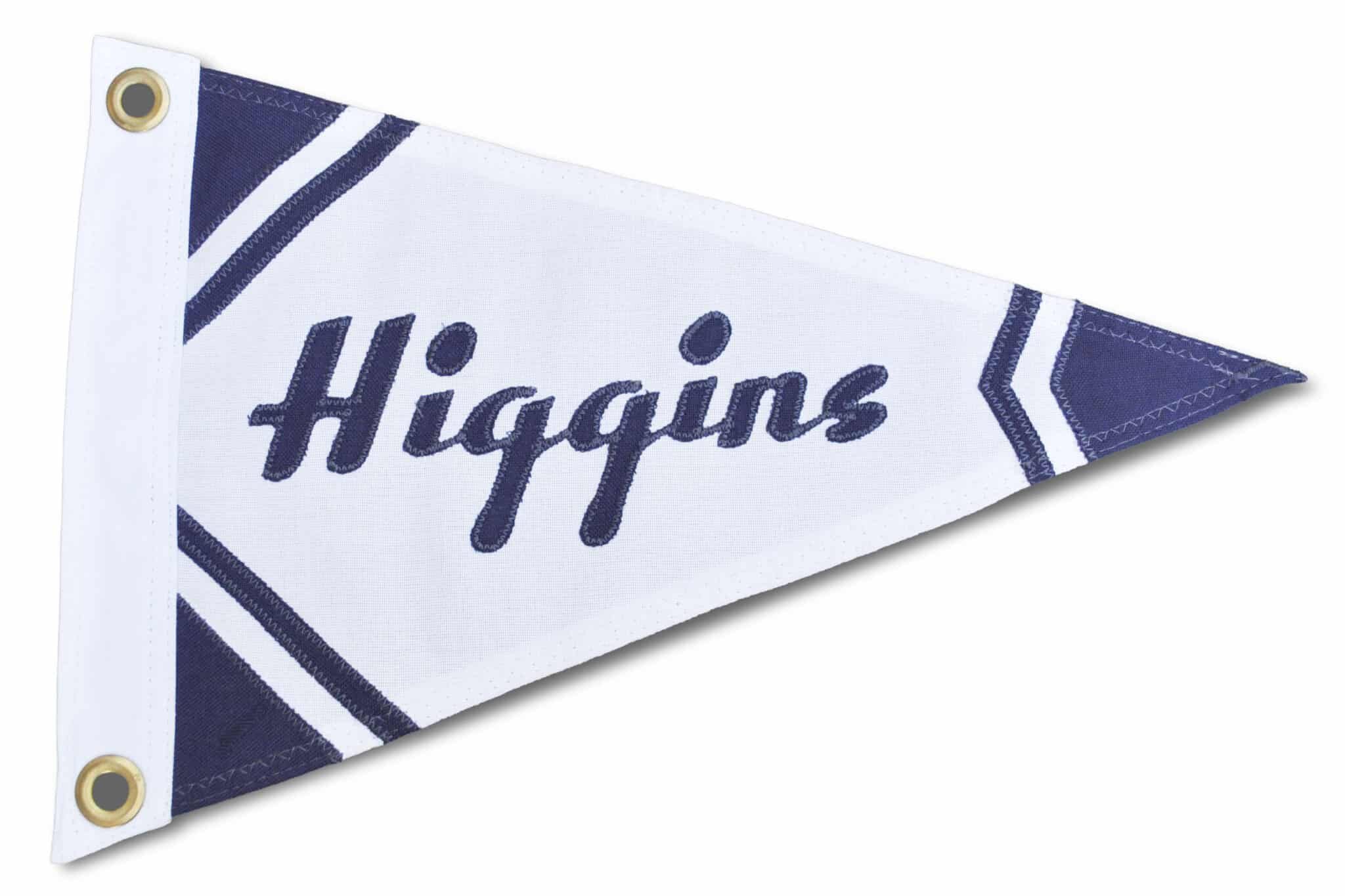
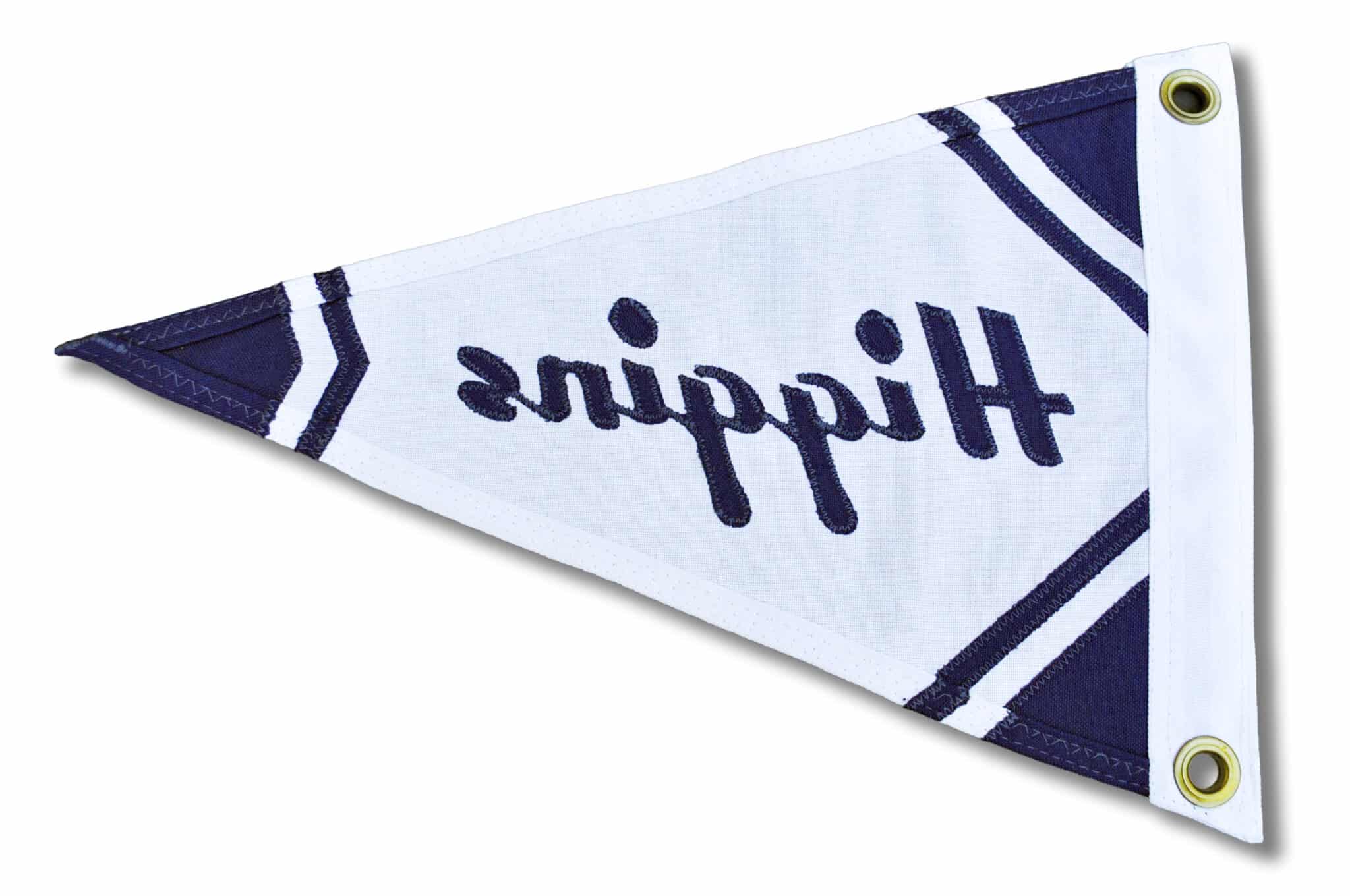
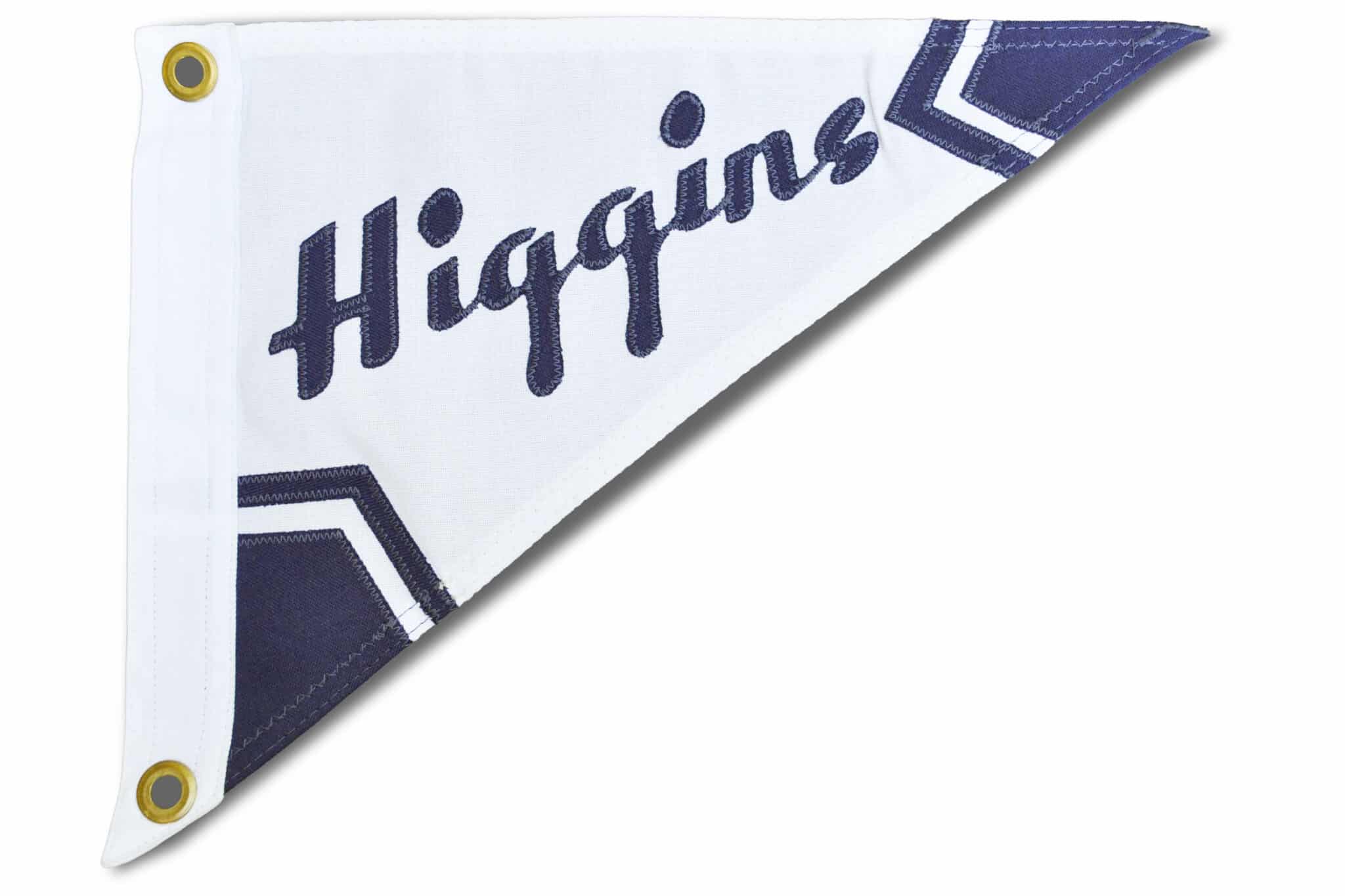
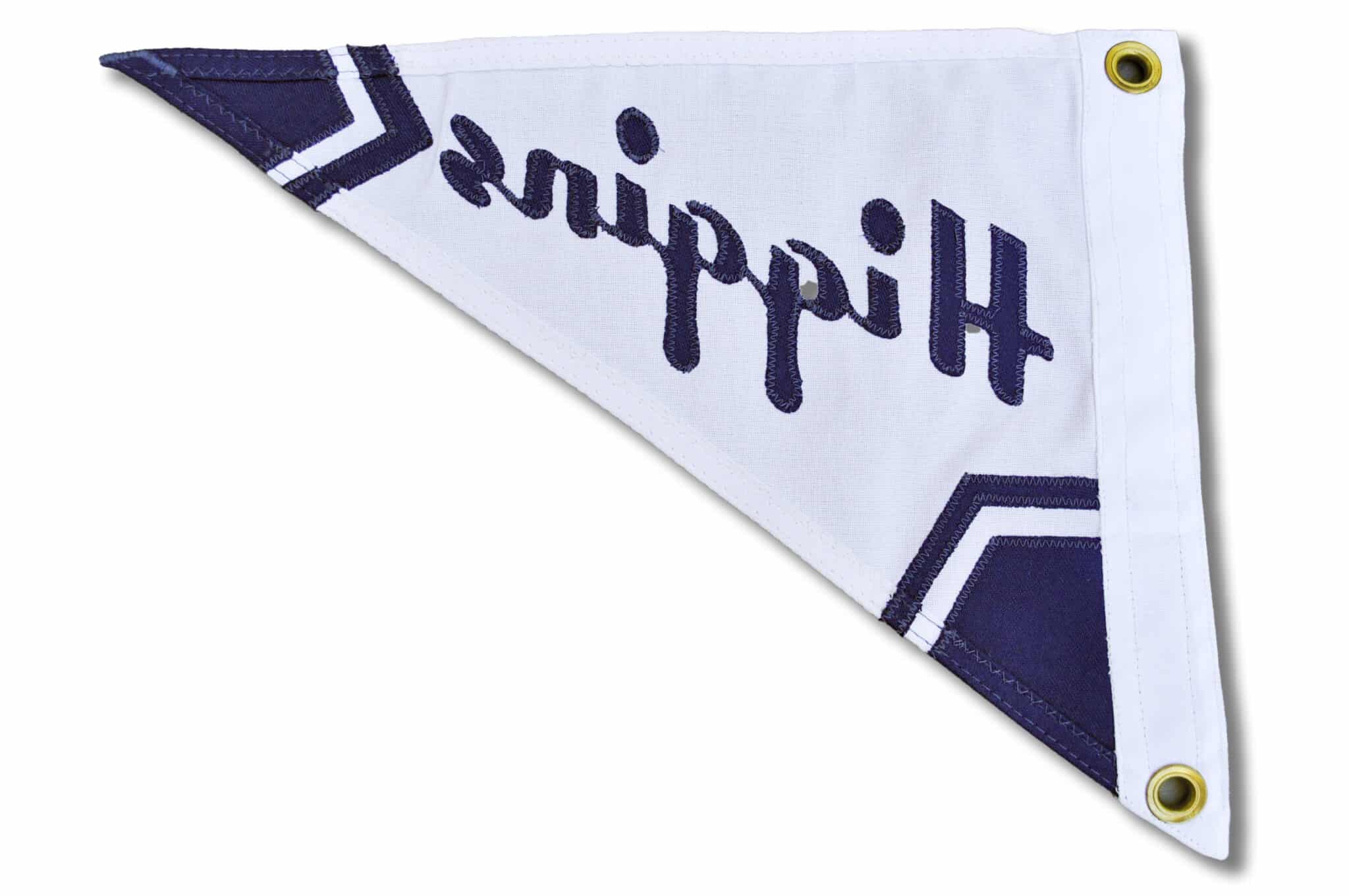
Flag size is 10×18 inches These flags are made of a poly-cotton blend for durability but look period correct.
Red/white are 1946 to early 1950’s
Navy Blue/white mid 195’s to 1957
Higgins Burgee Pennant Flag 1946-1957
$49.99
Higgins History
In the swamps of Louisiana, Andrew Jackson Higgins built rugged little workboats to navigate shallow waters. No one could have guessed that these humble craft would one day change the course of history. When war came, Higgins adapted his designs into landing craft that could carry soldiers, jeeps, and supplies straight onto hostile beaches. The result was the Higgins Boat—simple, sturdy, and revolutionary.
On June 6, 1944, the world saw their power. Thousands of Higgins Boats churned across the English Channel, dropping Allied troops onto the sands of Normandy. Eisenhower himself declared Higgins “the man who won the war,” a testament to how vital these boats were in turning the tide against tyranny. At its peak, Higgins Industries was a bustling wartime powerhouse, employing tens of thousands and producing more than 20,000 landing craft.
But peace brought a different challenge. With military contracts gone, Higgins tried to reinvent his company. Sleek pleasure boats rolled off the lines, alongside furniture and even appliances. The wartime genius hoped to ride the wave of America’s postwar leisure boom, producing a variety of pleasure craft, including the iconic Higgins Pleasure Craft, Sport Speedster, Sport Deluxe, and various cruisers. Yet the magic of Higgins Boats didn’t translate to peacetime markets. Competitors dominated, profits dwindled, and by the early 1950s, the company was faltering. When Higgins died in 1952, his empire collapsed soon after.
Today, Higgins Boats are remembered not for their civilian spin-offs, but as the vessels that carried freedom ashore. Their legacy endures in museums and history books, symbols of innovation that won a war but couldn’t win in peace time.